Essential Foraging Tips for Beginners
- Apr 25
- 4 min read
Foraging is not just a trend; it’s a way to connect with nature, discover new flavors, and embrace sustainability. Whether you’re looking to enhance your culinary skills or simply enjoy the great outdoors, foraging can be a rewarding experience. However, it can also be daunting for beginners. With so many plants and mushrooms out there, how do you know what’s safe to eat? This guide will provide essential tips to help you start your foraging journey with confidence.
Understanding Foraging
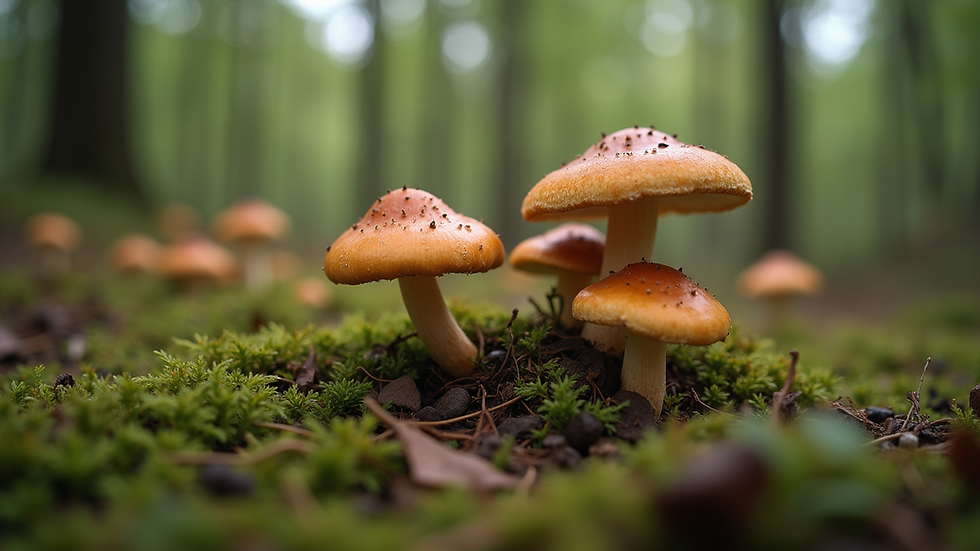
Foraging is the act of searching for and gathering wild food resources. This practice has been around for centuries, and it’s gaining popularity as more people seek to reconnect with nature and eat locally. Here are some key points to understand about foraging:
Connection to Nature: Foraging encourages you to explore your local environment and appreciate the biodiversity around you.
Sustainability: By foraging, you can reduce your carbon footprint and support local ecosystems.
Culinary Adventure: Wild foods can add unique flavors and textures to your meals.
Getting Started with Foraging
Research and Education
Before you head out into the wild, it’s crucial to educate yourself about the plants and mushrooms in your area. Here are some steps to get started:
Books and Guides: Invest in a few reputable foraging books that focus on your region. Look for guides that include clear photographs and descriptions.
Online Resources: Websites and forums dedicated to foraging can provide valuable information and community support.
Local Workshops: Consider attending a foraging workshop or guided walk. Learning from experienced foragers can enhance your knowledge and skills.
Essential Tools for Foraging
Having the right tools can make your foraging experience more enjoyable and efficient. Here’s a list of essential items to bring along:
Foraging Basket: A sturdy basket allows for proper air circulation and prevents bruising of delicate plants.
Knife or Scissors: A sharp knife or scissors is essential for cutting plants and mushrooms cleanly.
Field Guide: A compact field guide can help you identify plants and mushrooms on the go.
Notebook: Keep a notebook to jot down your findings, observations, and any recipes you want to try.
Identifying Edible Plants and Mushrooms
Key Identification Tips
When foraging, proper identification is crucial. Here are some tips to help you identify edible plants and mushrooms:
Learn the Basics: Familiarize yourself with common edible plants and mushrooms in your area. Start with a few and gradually expand your knowledge.
Observe the Environment: Pay attention to the habitat where the plant or mushroom grows. Some species thrive in specific conditions.
Use Multiple Sources: Cross-reference your findings with multiple guides or resources to confirm identification.
Common Edible Plants
Here are a few common edible plants that beginners can look for:
Dandelion: Both the leaves and flowers are edible and can be used in salads or teas.
Nettle: This nutritious plant can be cooked to remove its sting and used in soups or pesto.
Wild Garlic: The leaves and flowers have a mild garlic flavor, perfect for seasoning dishes.
Common Edible Mushrooms
Mushrooms can be trickier to identify, so proceed with caution. Here are a few safe options for beginners:
Chanterelles: These golden-yellow mushrooms have a fruity aroma and are delicious in various dishes.
Morels: Recognizable by their honeycomb appearance, morels are a sought-after delicacy.
Porcini: Known for their rich flavor, porcini mushrooms are great for soups and risottos.
Safety Precautions
Avoiding Toxic Plants and Mushrooms
Safety should always be your top priority when foraging. Here are some important precautions:
Never Eat Unidentified Plants: If you’re unsure about a plant’s identity, do not consume it.
Be Aware of Look-Alikes: Many edible plants have toxic look-alikes. Learn to identify these to avoid mistakes.
Consult Experts: When in doubt, consult an expert or join a local foraging group for guidance.
Foraging Ethics
Foraging responsibly is essential for the environment and future foragers. Keep these ethical guidelines in mind:
Leave No Trace: Take only what you need and leave the rest for wildlife and other foragers.
Respect Private Property: Always seek permission before foraging on private land.
Follow Local Regulations: Be aware of local laws regarding foraging in parks and protected areas.
Cooking with Foraged Ingredients
Preparing Your Finds
Once you’ve gathered your foraged ingredients, it’s time to prepare them. Here are some tips for cooking with wild foods:
Wash Thoroughly: Rinse your foraged items to remove dirt and insects.
Experiment with Recipes: Use your foraged ingredients in familiar recipes, such as salads, soups, or stir-fries.
Preserve Your Finds: Consider drying, pickling, or freezing your foraged foods to enjoy later.
Recipe Ideas
Here are a couple of simple recipes to get you started:
Wild Garlic Pesto
Ingredients:
2 cups wild garlic leaves
1/2 cup nuts (pine nuts or walnuts)
1/2 cup olive oil
1/2 cup grated Parmesan cheese
Salt to taste
Instructions:
Blend wild garlic leaves and nuts in a food processor.
Slowly add olive oil while blending until smooth.
Stir in Parmesan cheese and salt. Enjoy with pasta or as a spread.
Nettle Soup
Ingredients:
1 onion, chopped
2 tablespoons olive oil
4 cups vegetable broth
4 cups fresh nettle leaves (stems removed)
Salt and pepper to taste
Instructions:
Sauté onion in olive oil until translucent.
Add vegetable broth and bring to a boil.
Stir in nettle leaves and cook for 5-7 minutes.
Blend until smooth and season with salt and pepper.
Conclusion
Foraging is an enriching experience that allows you to connect with nature and discover new flavors. By following these essential tips, you can embark on your foraging journey with confidence. Remember to educate yourself, prioritize safety, and respect the environment. So grab your basket, head outdoors, and start exploring the wild bounty waiting for you! Happy foraging!
Comments